Jiandong Ding (丁建栋)
Principal Algorithm Expert · Huawei
Since 2012, I have worked on applied AI and data systems across IBM, Bosch, Alibaba DAMO Academy, and Huawei. My current research asks how recommendation and AI retrieval systems can remain reliable as users, catalogs, tasks, and interfaces change.
Research fields
Current focus
Adaptive recommendation · Auditable AI retrieval

Research
What I study
I study how learning and retrieval systems remain dependable when the evidence they rely on changes.
01
Adaptive Recommendation under Change
I study how recommendation systems should adapt when user evidence becomes stale, catalogs evolve, and production constraints limit what can safely change.
- Zero-observation user reactivation after long inactivity
- Generative and sequential recommendation under changing intent
- Dynamic retrieval, graph learning, and efficient ranking models
Public code and resources
Code artifact
RecSys 2026
DeltaGate
A reproducible implementation of gap-conditioned dimensional gating for zero-observation user reactivation, with frozen sequential backbones, audited experiment runners, and full-ranking evaluation.
Python · PyTorch · MIT License02
Auditable AI Retrieval and Interfaces
I study whether AI retrieval systems use the right evidence, expose dependable interfaces, and control misleading or unsafe retrieval behavior before deployment.
- Search and recommendation interaction and attribution
- Semantic-ID interface diagnostics for generative recommendation
- AI search, agent skill retrieval, and capability governance
Public code and resources
Diagnostic resource
CIKM 2026
SIDInspector
A CPU-ready toolkit for inspecting exported Semantic-ID mappings through utilization, aliasing, neighborhood alignment, popularity allocation, structural cost, and refresh stability.
Python · CPU-ready · MIT License
Resource package
arXiv 2026
SIDScope
An artifact-level resource for auditing Semantic-ID interfaces before downstream generative recommendation, including mapping diagnostics, candidate-exposure probes, and bounded trace accounting.
Python · Reproducibility package · MIT License
Recent work
Full publication record
Recent publications
Recent
Research record
All publications
Selected papers
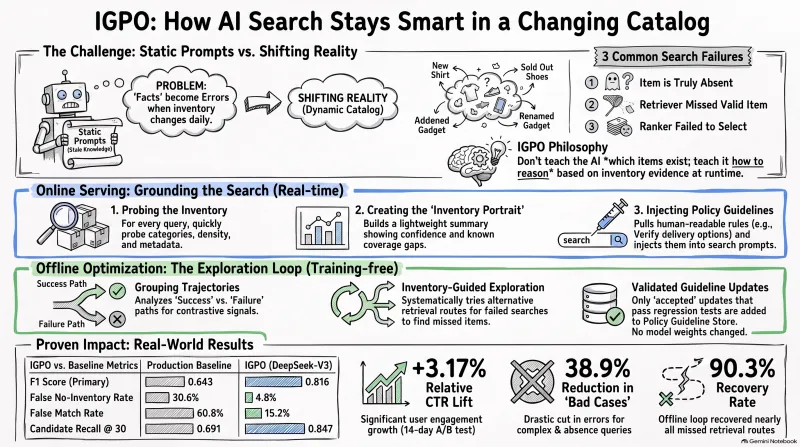
Inventory-Grounded Policy-Level Optimization for Training-Free AI Search
Training-free, inventory-grounded policy optimization for reliable AI search under changing catalog conditions.
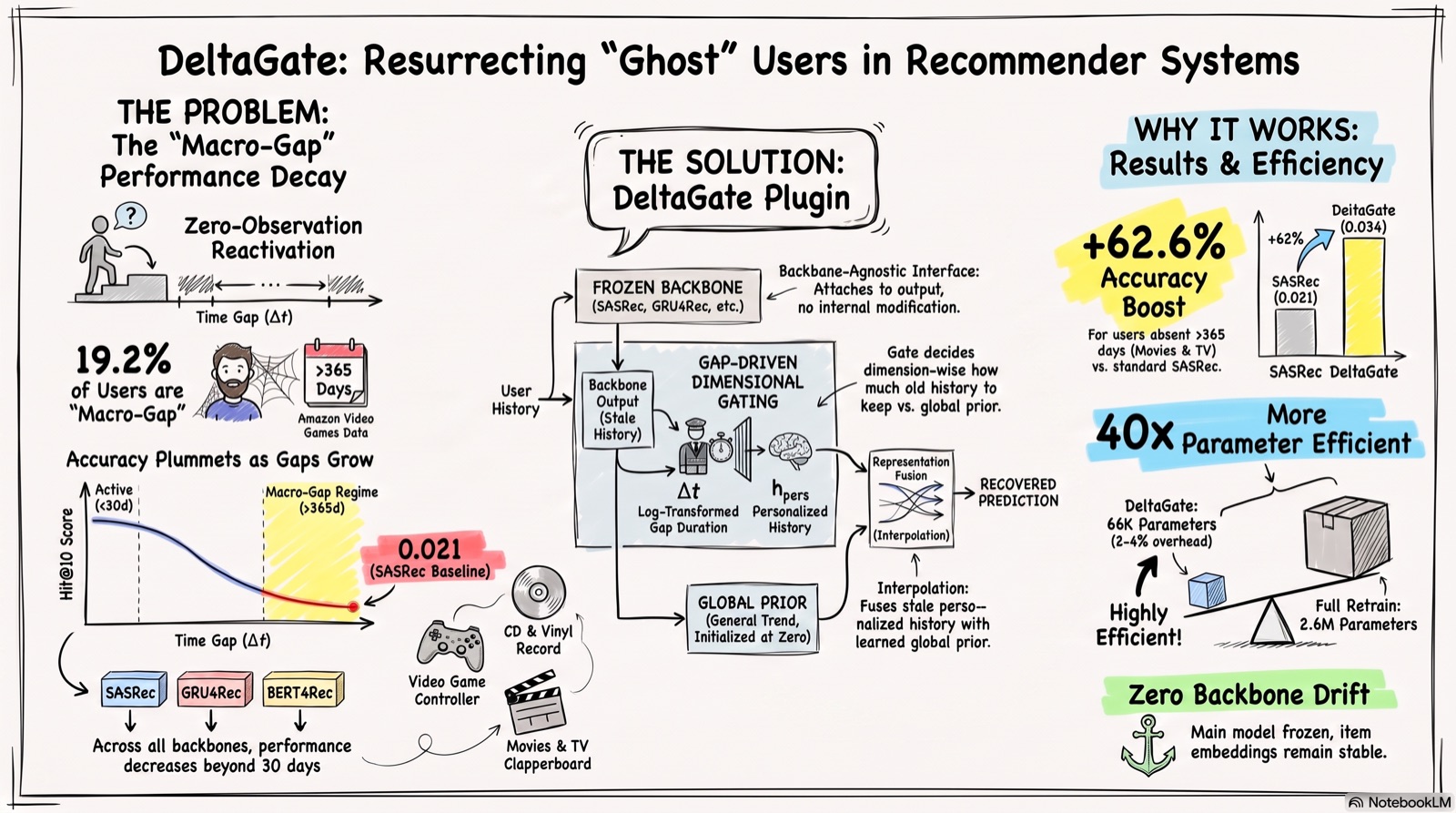
Zero-Observation User Reactivation with Gap-Driven Dimensional Gating
DeltaGate recalibrates frozen sequential recommendation representations for long-gap returning users.
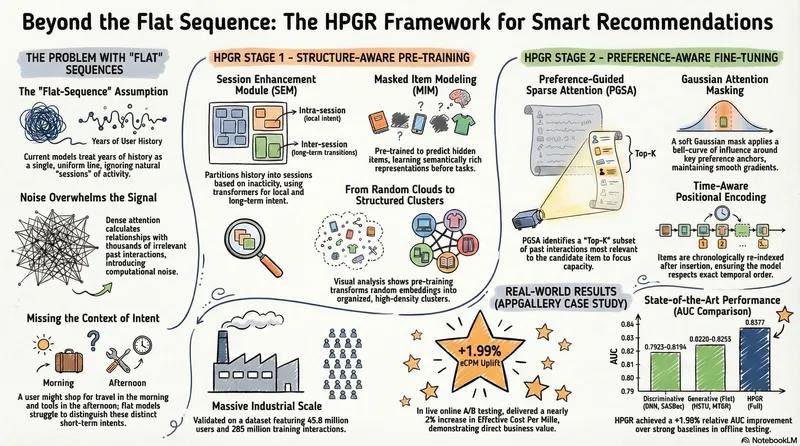
Beyond the Flat Sequence: Hierarchical and Preference-Aware Generative Recommendations
Hierarchical and preference-aware generative recommendations move beyond flat user histories and expose structured intent over time.
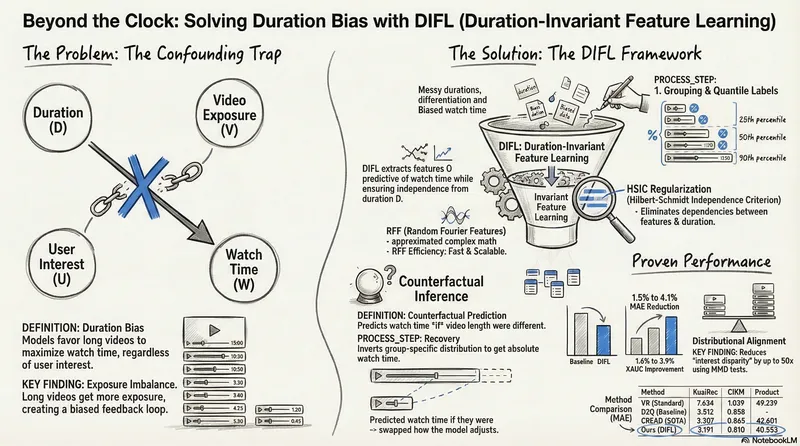
Invariant feature learning for counterfactual watch-time prediction in video recommendation
Invariant feature learning separates duration effects from true user preference in short-video recommendation.
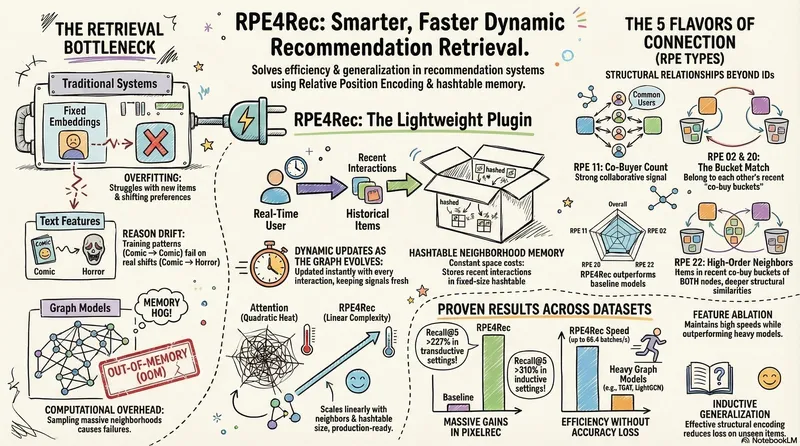
RPE4Rec: Enhancing Dynamic Node Retrieval with Efficient Relative Position Encoding for Recommendation Systems
Efficient relative position encoding for dynamic node retrieval in recommendation systems.
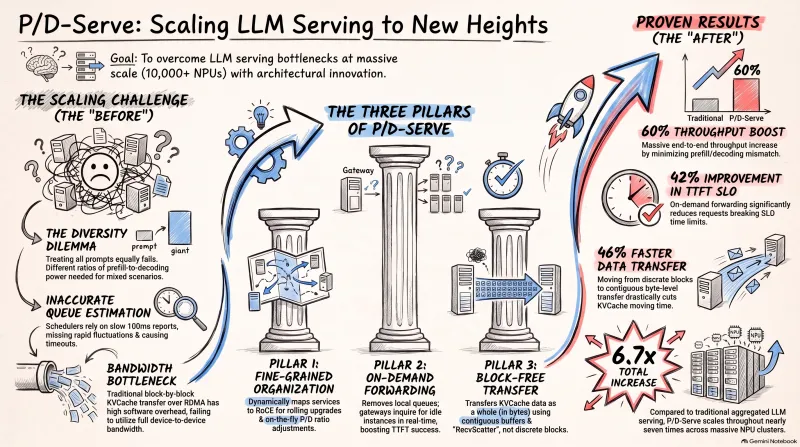
P/D-Serve: Serving Disaggregated Large Language Model at Scale
Disaggregated LLM serving that scales prefill and decoding across large clusters.
Contact
Collaboration and exchange
I welcome focused conversations around recommender systems, LLM agents, data mining, shared benchmarks, and applied research problems. I am also recruiting student research interns; see the Research Intern section for how to apply.
Collaboration record